Not All Strength Training Is Created Equal

Table of Contents

Why Real Strength Training Matters for Long-Term Health, Strength, and Longevity

When people hear the term strength training, they often picture anything that involves effort, sweat, or weights. Today, many fitness classes include the word “strength” in their name—strength flow, strength burn, strength sculpt, strength cycle.

But research tells a different story.

According to decades of scientific evidence, not all strength training delivers the long-term health, performance, and longevity benefits people are expecting. The distinction between workouts that feel hard and training that actually builds strength matters, especially as we age.

At BILD by Coach O, we believe strength training should be intentional, progressive, and grounded in science, while still being accessible, supportive, and adaptable to real life.

Why Strength Training Is Central to Long-Term Health

Over the past 20 years, research has increasingly identified muscle mass and muscular strength as key predictors of long-term health outcomes. Higher levels of strength are consistently associated with lower risk of chronic disease, improved metabolic health, better mobility and balance, reduced risk of falls and fractures, greater independence as we age, and lower all-cause mortality.

Unlike cardio, which primarily improves cardiovascular endurance, strength training directly supports the systems that decline most with age, including muscle, bone, joints, and metabolic function.

This is why strength training is no longer viewed as optional or purely aesthetic. It is foundational to health and longevity.

What Research Actually Means by Strength Training

In scientific and medical literature, strength training refers to progressive resistance training.

This type of training involves applying enough external load to challenge muscles beyond their current capacity and gradually increasing that load over time so the body adapts.

Key characteristics of research-backed strength training include moderate to heavy resistance, repetitions performed close to muscular fatigue, structured sets and rest periods, and progressive overload over weeks and months.

These variables are essential. Without them, the body does not receive the signal to build or maintain muscle tissue.

When studies highlight the benefits of strength training, they are referring to this form of training, not continuous movement workouts, light weights paired with cardio, or classes designed primarily to elevate heart rate.

Not All Strength Workouts Create Strength

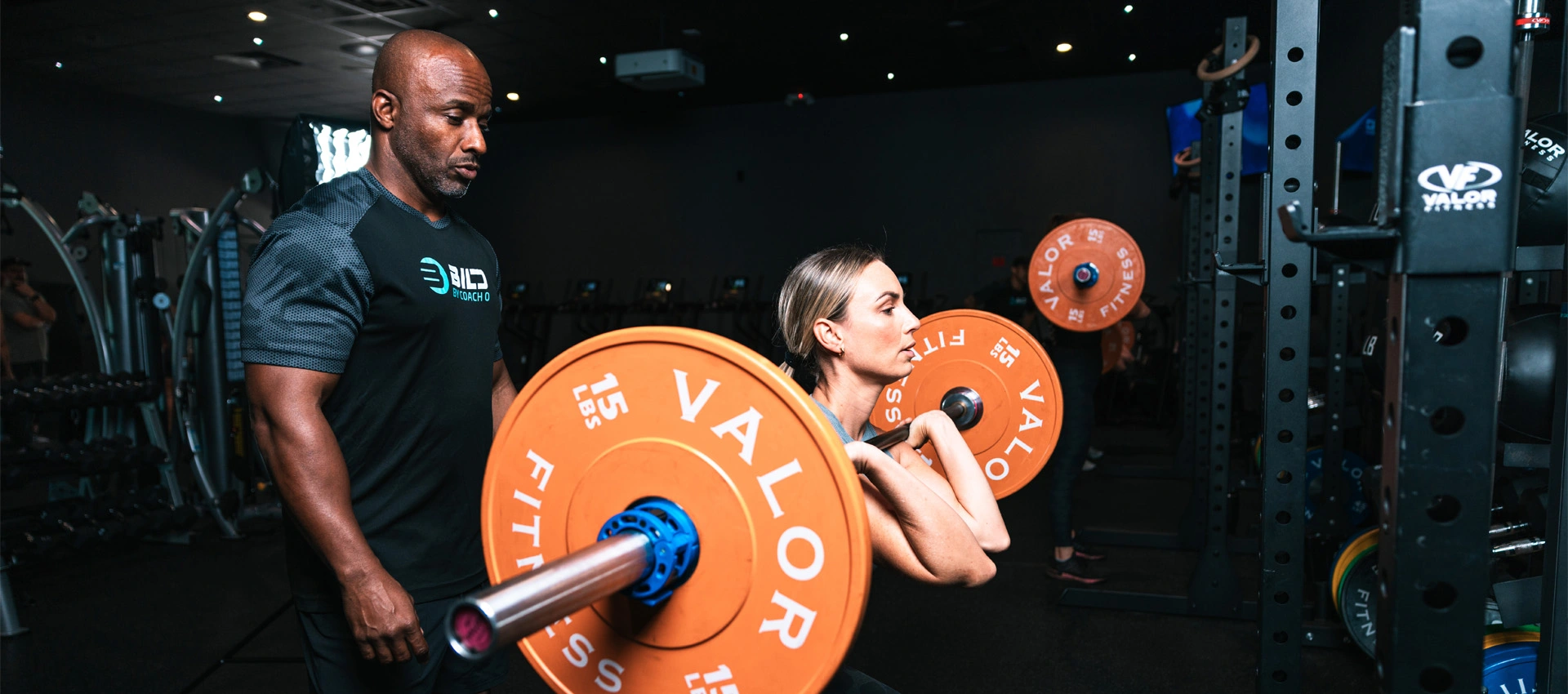
Coach O guiding a barbell training session at BILD by Coach O, one of the top gyms in Naples FL

Many modern fitness formats include resistance elements and use the word strength in their branding. However, the stimulus matters more than the label.

For example, cycle or spin classes may introduce light dumbbells and call the session a strength cycle. These workouts can feel challenging and exhausting, and they certainly have cardiovascular benefits.

From a physiological standpoint, very light weights performed while fatigued from cardio do not create sufficient mechanical tension to stimulate muscle growth or meaningful strength adaptation.

That does not mean these workouts are useless. They can improve endurance, burn calories, and support overall activity levels. They simply do not deliver the strength training benefits associated with long-term health, resilience, and aging well.

Muscle Mass: The Missing Link in Many Fitness Programs

One of the most important and often overlooked benefits of true strength training is the preservation and development of skeletal muscle.

Muscle is not just about aesthetics. It plays a central role in overall health.

Adequate muscle mass contributes to better blood sugar regulation, improved insulin sensitivity, healthier lipid profiles, higher resting metabolic rate, reduced inflammation, and greater resilience during illness or injury.

As we age, muscle mass naturally declines in a process known as sarcopenia. Research shows this loss can begin as early as age 30 and accelerates with inactivity. Left unaddressed, it is strongly associated with frailty, disability, and loss of independence.

Strength training, when done correctly, is the most effective tool we have to slow, stop, and even reverse this process.

Strength Training vs. Cardio: What the Evidence Shows

Cardio training plays an important role in heart and lung health, stress management, and overall well-being. At BILD, we value conditioning and cardiovascular fitness.

However, cardio alone cannot preserve muscle mass.

In fact, excessive cardio without adequate resistance training can contribute to muscle loss over time, especially when combined with under-fueling or chronic fatigue.

The most effective programs integrate both strength training to build and maintain muscle and conditioning to support cardiovascular health and performance.

The foundation, however, must be strength.

Because research-backed strength training requires progressive resistance and sufficient load to stimulate muscle growth, not light weights or cardio-based fatigue.

No. Cardio supports heart health, but only strength training preserves muscle mass, which is critical for longevity, metabolic health, and functional independence.

For many people, the right class becomes the foundation of a long-term fitness routine rather than a short-term experiment.

What Real Strength Training Looks Like in Practice

At BILD by Coach O, strength training is not random, rushed, or one-size-fits-all.

Our training is built around progressive overload cycles, purposeful programming with specific training goals, small-group coaching with individual modifications, and clear intent behind every movement and load selection.

We meet members where they are, whether they are brand new to training or highly experienced, and guide them safely and intelligently forward.

Fitness classes built around coached execution, structured programming, and progression are far more likely to deliver lasting change. BILD’s coached group training reflects these principles, making it a strong option for individuals seeking effective, sustainable fitness.

If your goal is to move better, grow stronger over time, and stay consistent, the environment you choose matters just as much as the workout itself.

Experience Real Strength Training at BILD by Coach O

If you are looking for a program that supports long-term health, strength, and confidence rather than short-term sweat, we invite you to experience BILD by Coach O.

Our coaches are here to guide you, challenge you appropriately, and help you build strength that carries into every aspect of life.

Book your intro session today and train with purpose.

KEY TAKEAWAYS

Not all workouts labeled as strength training deliver the health, performance, and longevity benefits supported by research. True strength training is defined by progressive resistance, adequate mechanical load, and intentional programming—not by how hard or exhausting a workout feels.

Strength-focused programs that prioritize:

  • Progressive resistance and overload
  • Muscle preservation and development
  • Purposeful programming with skilled coaching


are far more effective at supporting long-term health, resilience, and independence.

BILD by Coach O is built on these principles. Its science-driven, coached approach is designed for individuals who want measurable strength gains, improved confidence, and sustainable fitness that supports aging well. If your goal is long-term health rather than short-term sweat, the structure and intent behind your training matter.

Share:

Related Posts